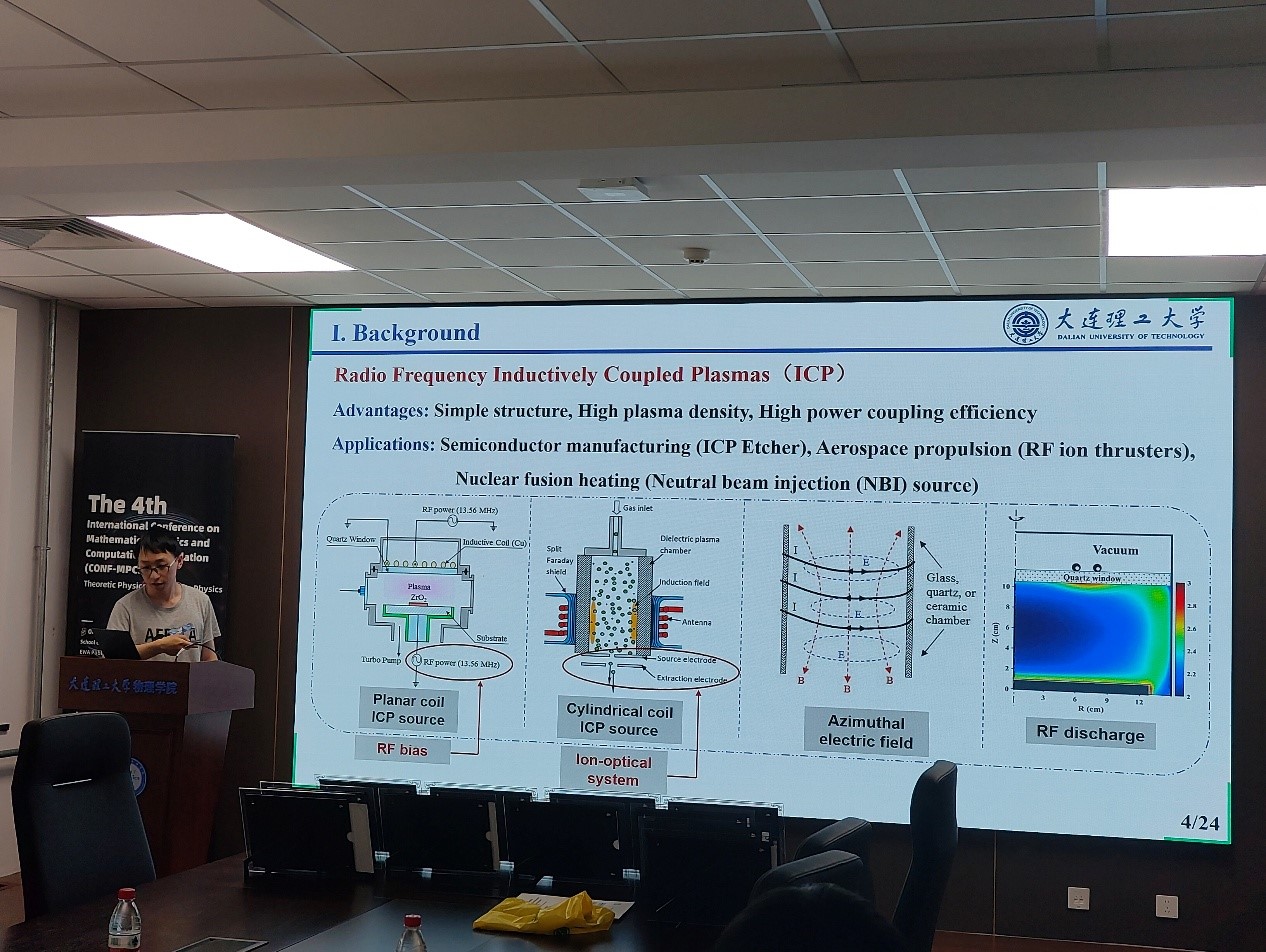
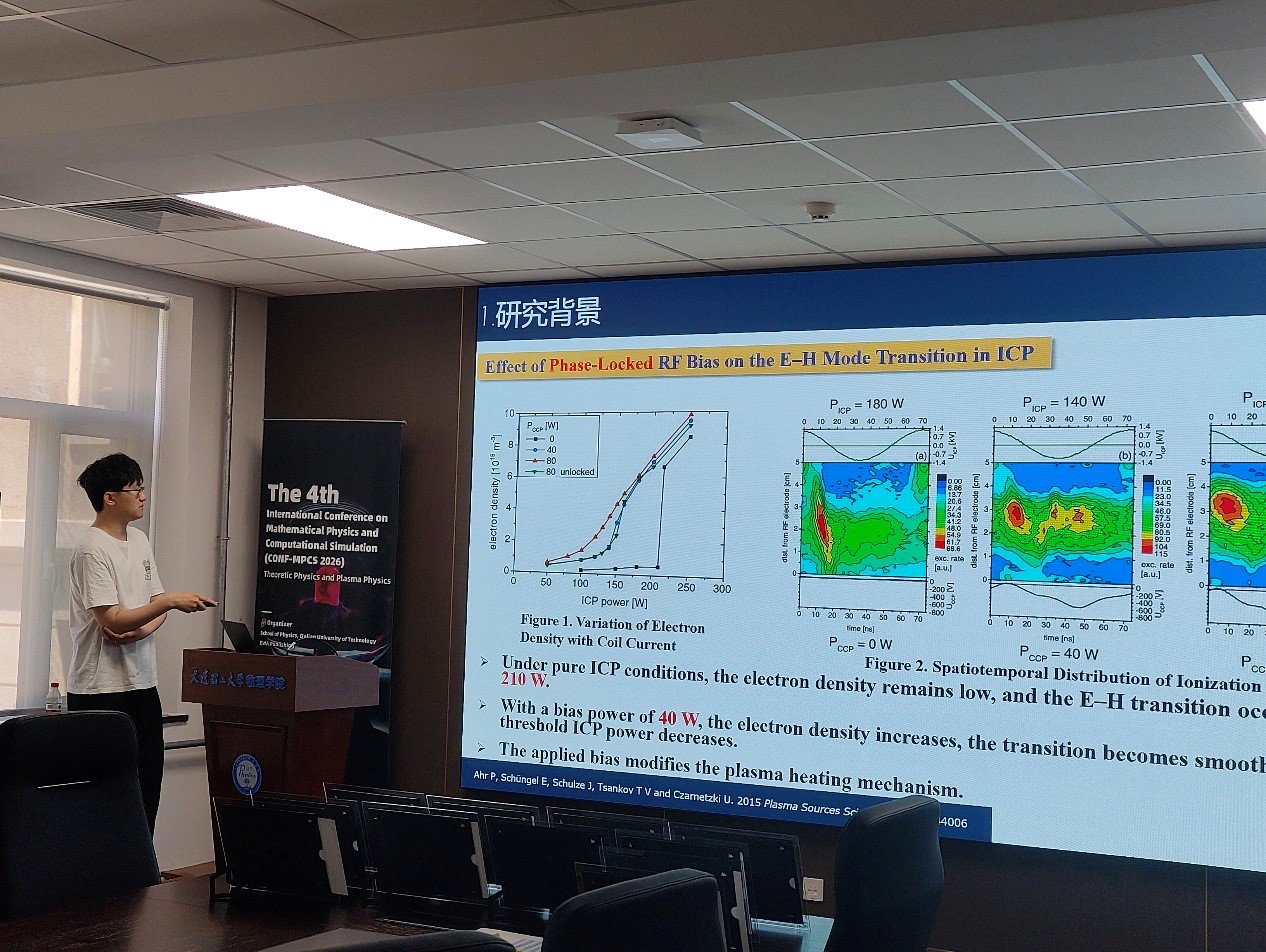
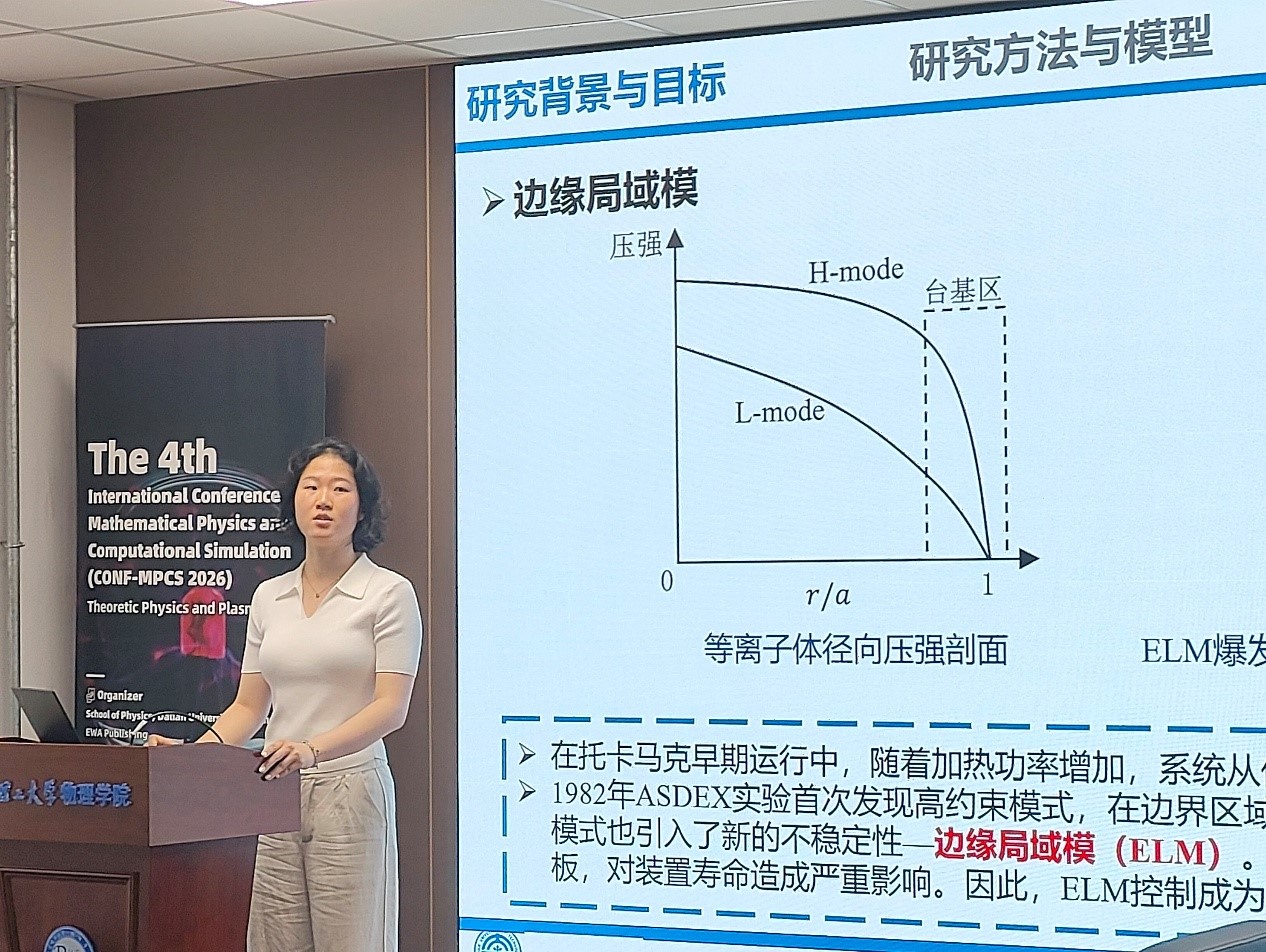
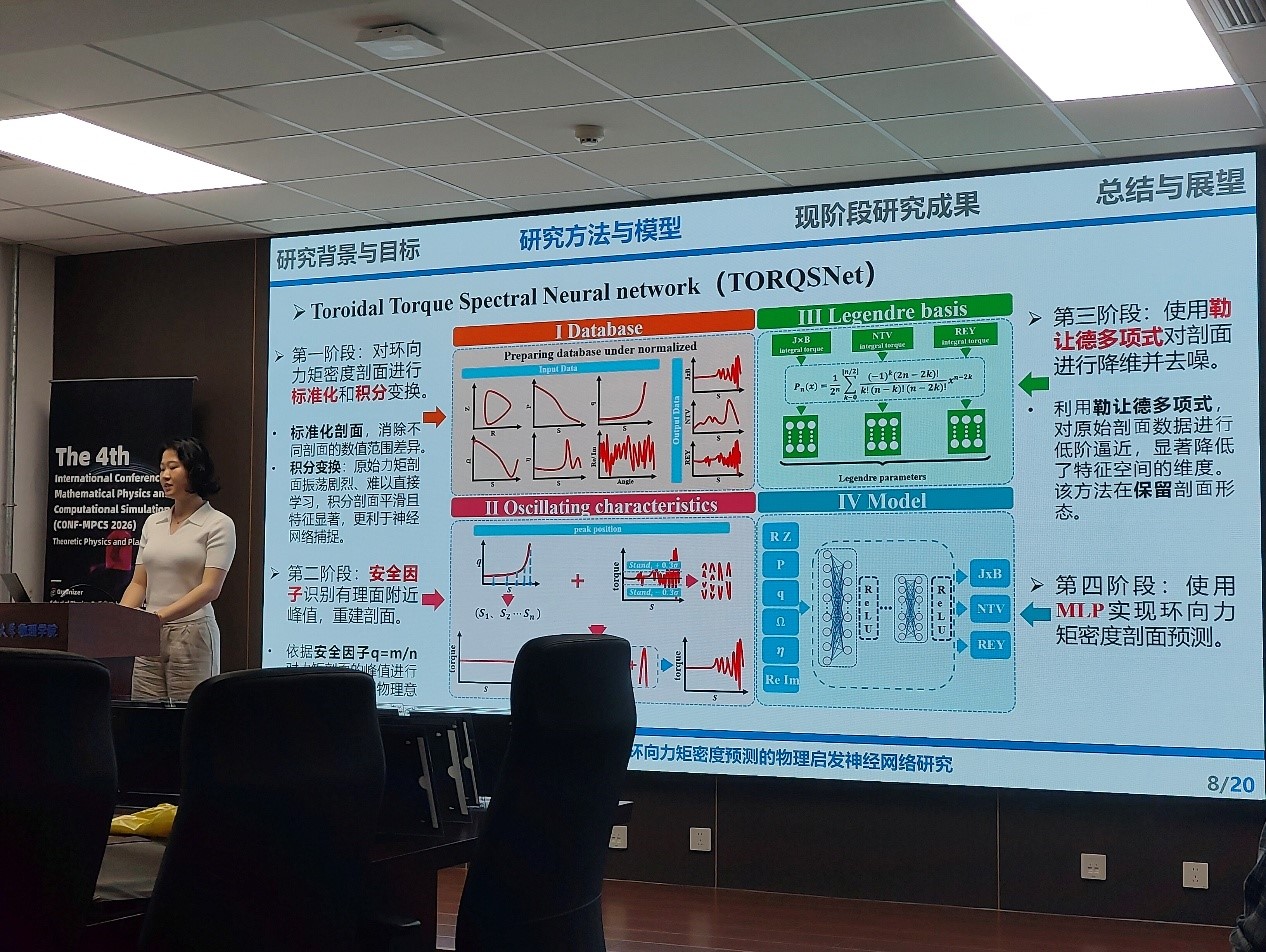
Background
Since the gaseous discharging plasma is complex, it is systematically studied by means
of
the methods of numerical simulation, experimental diagnostic, and analytical theory.
With
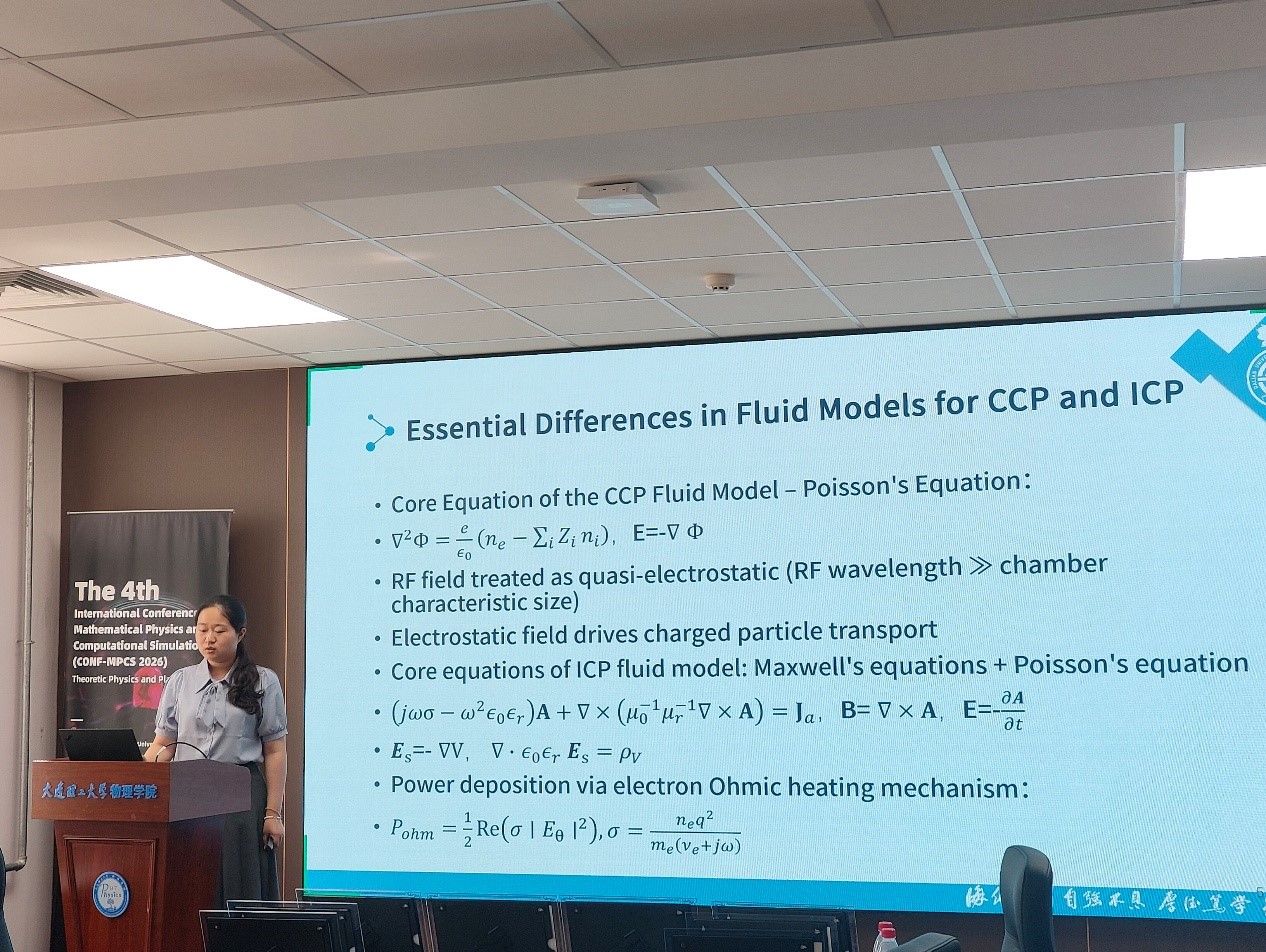
respect to the numerical calculation, we can develop the simulation code, such as fluid
model and particle model by ourselves, through the fortran or C++ computer language, or
rely
directly on the commercial softwares, such as Analysis, Comsol, Pegsus, or Quantemol,
etc.
Whether using the self-written code or the commercial software, the discharge profiles
are
always the preliminary data that people are confronted with. At interpreting these
profiles
of different parameters of plasma, such as density, temperature, charge density,
potential,
electromagnetic field, flux of mass and energy, and velocity of species etc., the
concept of
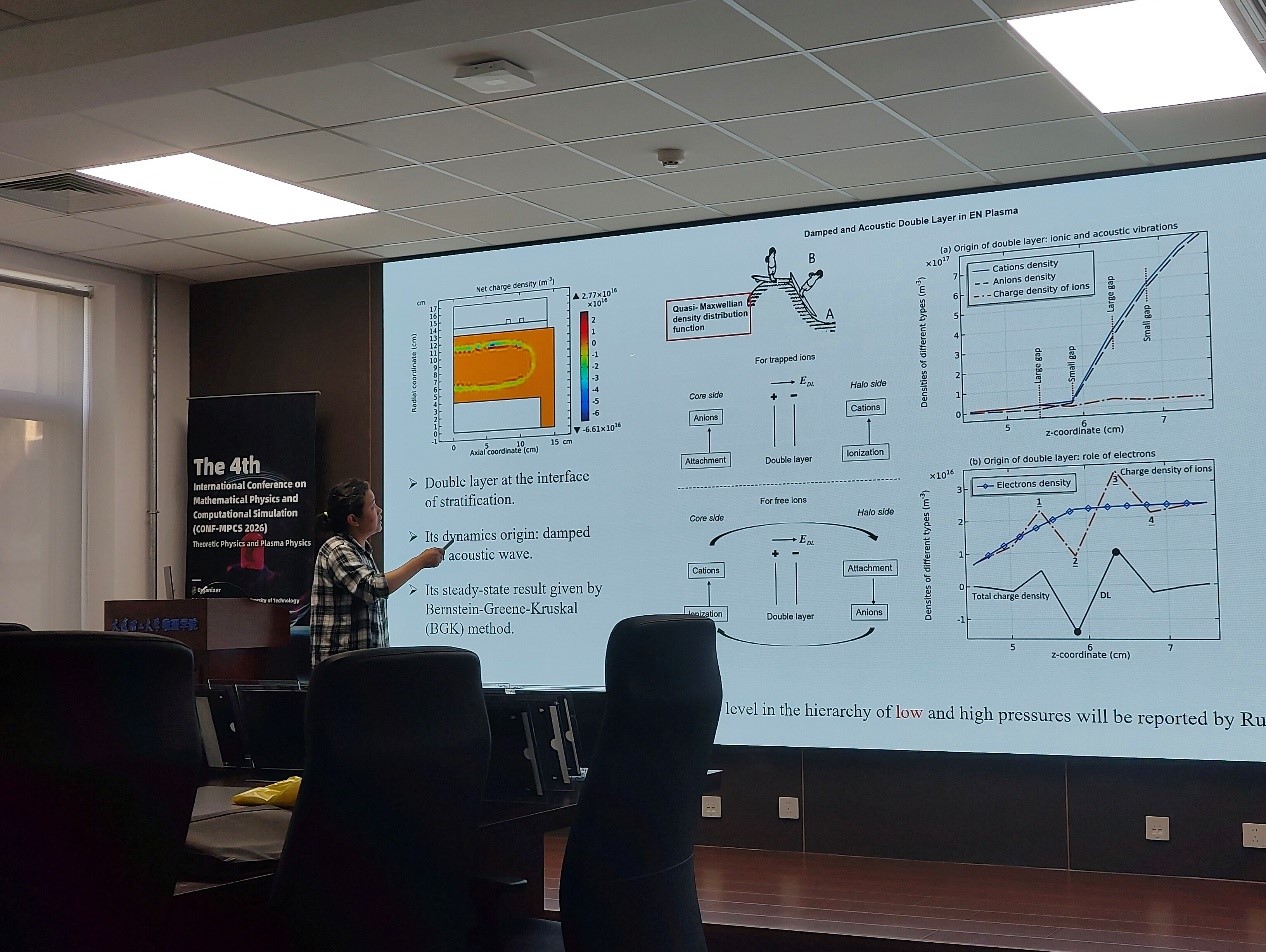
discharge structure is constructed. Usually, the discharge structure of electropositive
discharging plasma such as the argon inductively coupled plasma (ICP) is characterized
by
the parabola and Bessel functions, respectively in axial and radial directions, at the
assumption of azimuthal symmetry. While the discharge structure of electropositive
plasma is
understandable and moreover it is validated by means of simulation, theory and
experiment,
the discharge structure of electronegative plasma is quite unknown and less cared about
yet.
Regarding the fact that the industrial plasmas are almost the electronegative plasma
type, a
systematic study of discharge structure of such plasmas is important since it helps
people
better recognize the plasma source and hence optimize present plasma techniques and
excite
new frontier of application in future, probably.
The symposium, which serves as a specialized session of the 4th International Conference on Mathematical Physics and Computational Simulation (CONF-MPCS 2026), will focus on theoretic physics and simulation.
Goal/Rationale
Actually, the structure of electronegative plasma has been investigated since the 80s of
last century, but most of the studies are focused on the analytical theory of fluid
model at
that time. The theory utilized many assumptions, such as the constant temperature
profile,
collisionless, cold ions, and net positive chemical source for species, etc. At these
approximations, the ambi-polar diffusion of electronegative plasma, the stratification
of
discharge, the double layer dynamics, and the parabola, ellipse, and flat-top ionic
density
profiles were given. Presently, the self-consistent fluid simulation technique with less
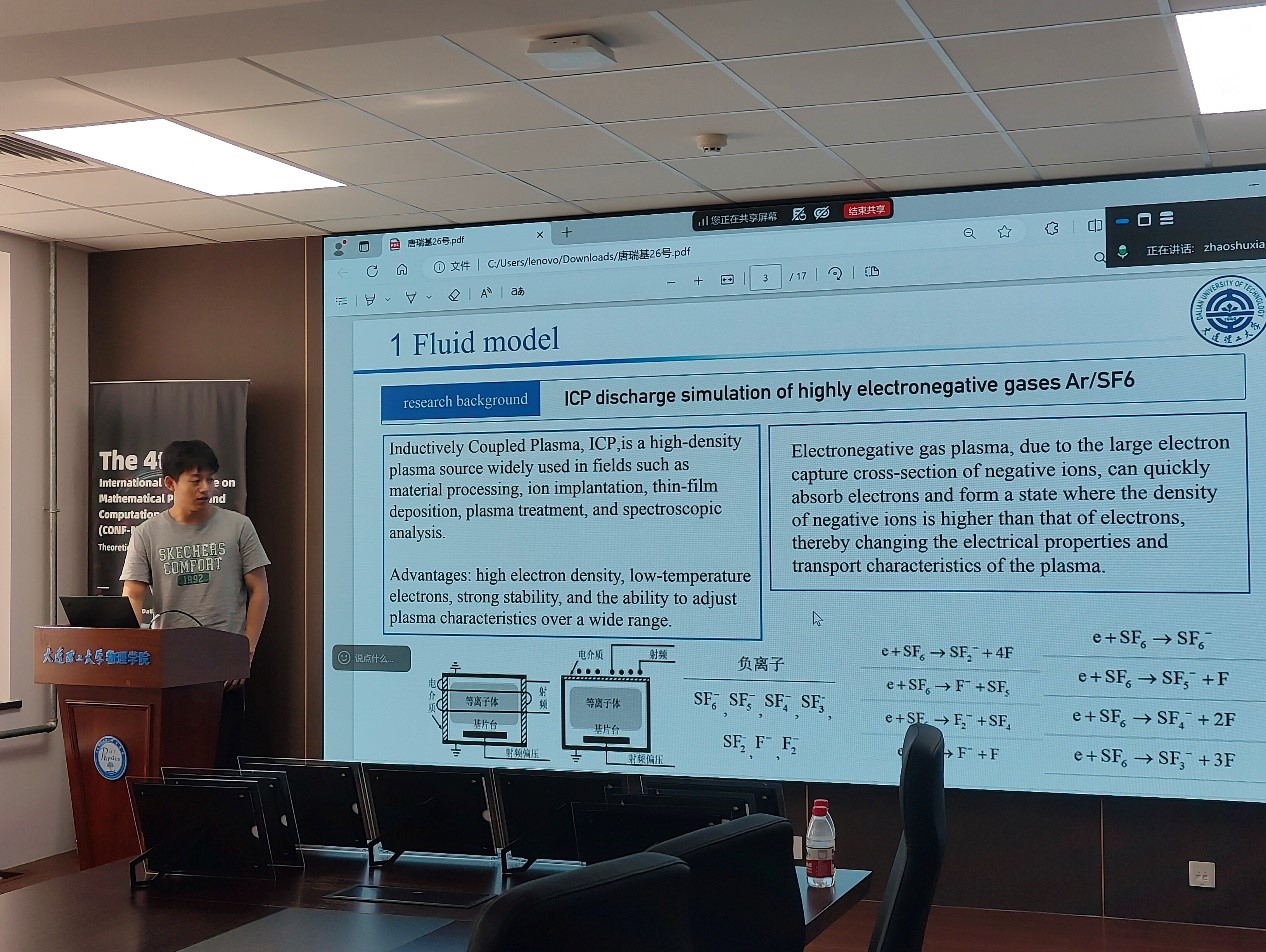
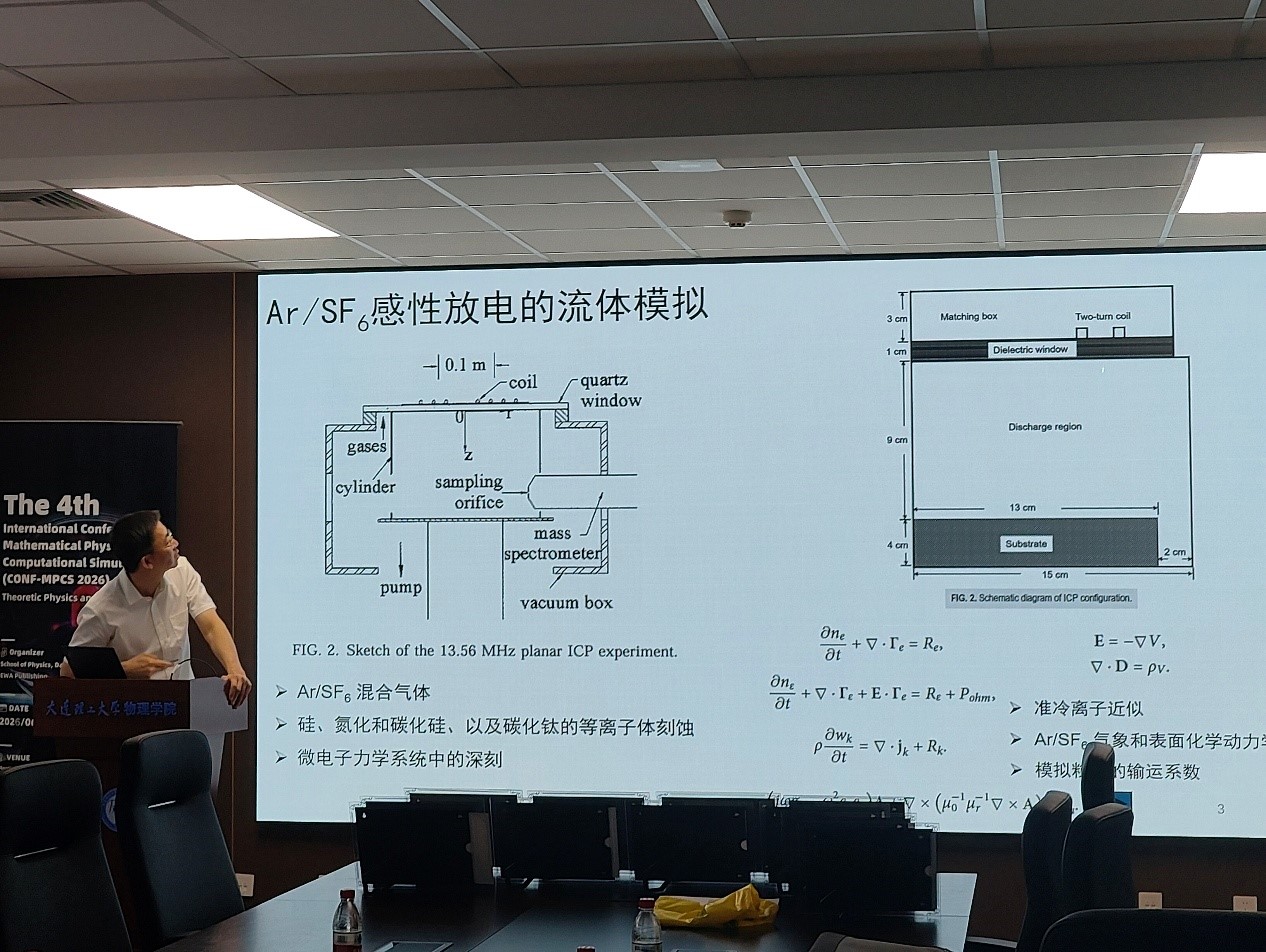
approximations is fully developed, and the plasma model of fluid simulation of Comsol
related to the Ar/SF6 ICP generates perfectly the above discharge structure. Moreover,
since
it is a self-consistent simulation, it is found that the self-coagulation dynamics that
consists of free diffusion and net negative chemical source and is centered in the
structure
prevails, and together with the above other structures, the discharge of electronegative
plasma is hierarchical. Furthermore, the correlations of the self-coagulation with the
assistance of compressible heating and the discharge hierarchy, to the wave-particle
duality
of quantum, the nuclear fusion of astrophysical plasma, the particle physics with
respect to
the Yukawa’s potential, and the geophysical structure morphology are displayed. It is
believed that the plasma state experiences the cold plasma (i.e., glow discharge), the
thermal plasma (i.e., arc discharge), and the fusion plasma (i.e., nuclear reaction), by
means of the self-coagulation and compressible heating. Besides, the self-coagulation is
found universal, existing in the chemical dynamics of ions, electrons, and neutrals, and
even in the thermal energy dynamics, i.e., not mass transport, but energy transport.
Scope
The last conference of this topic preliminarily built the connection between the
different
branches of plasma physics, since we already included presentations given in the fields
of low
and high temperature plasmas. As we know, it is the first time for the two plasma
sources
formally interacting in an academic conference, since they are usually separately
reported
before. In this new symposium, we address the physical reason why the two types of plasma
sources
are connected, and moreover the symposium is aimed at widening the inter-disciplinary
works from
the plasma field itself to the connection of plasma to other fields, such as quantum,
particle,
nucleus, astrophysics and geophysics.
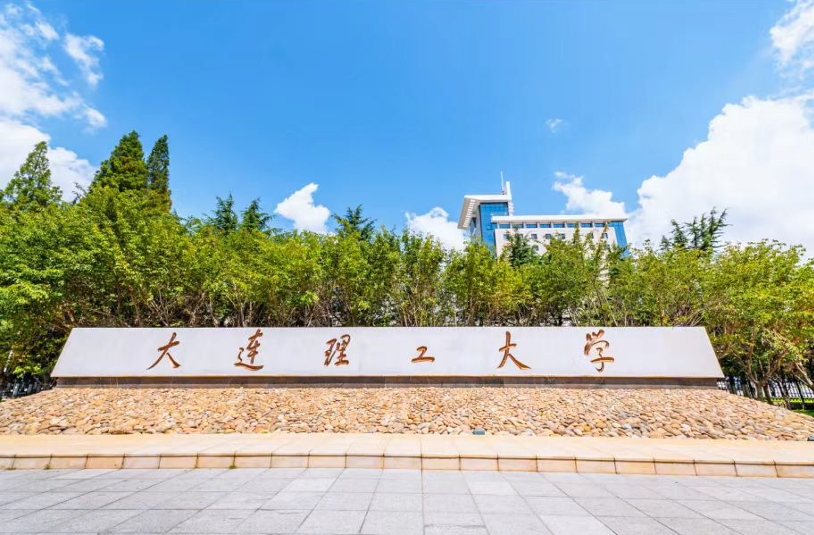 Theoretic Physics and Plasma PhysicsDALIAN, CHINA June 26, 2026