CONF-MPCS 2025
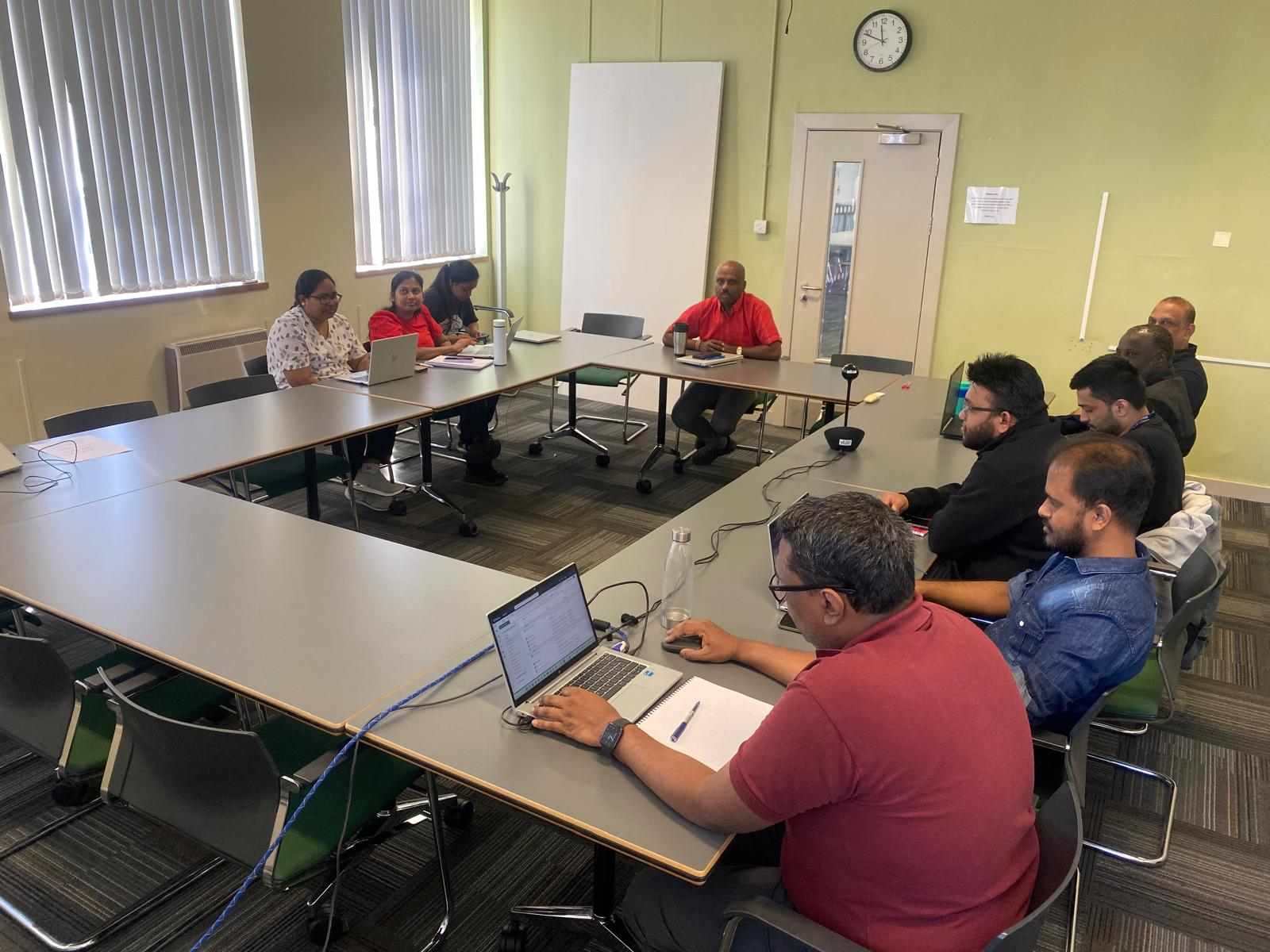
The 3rd International Conference on Mathematical Physics and Computational Simulation (CONF-MPCS 2025) was a hybrid conference which includes several symposium series (offline and online) around the world. Dr. Mustafa Istanbullu from Çukurova University, Dr. Marwan Omar from Illinois Institute of Technology, and Dr. Anil Fernando from University of Strathclyde have chaired these symposium series on related topics. CONF-MPCS 2025 provided the participants with good opportunities to exchange ideas and build networks, and it will lead to further collaborations between both universities and other societies.
Symposium Series
Department of Biomedical Engineering, Faculty of Engineering, Çukurova University
Symposium Chair: Dr. Mustafa Istanbullu, Assistant Professor in Çukurova University
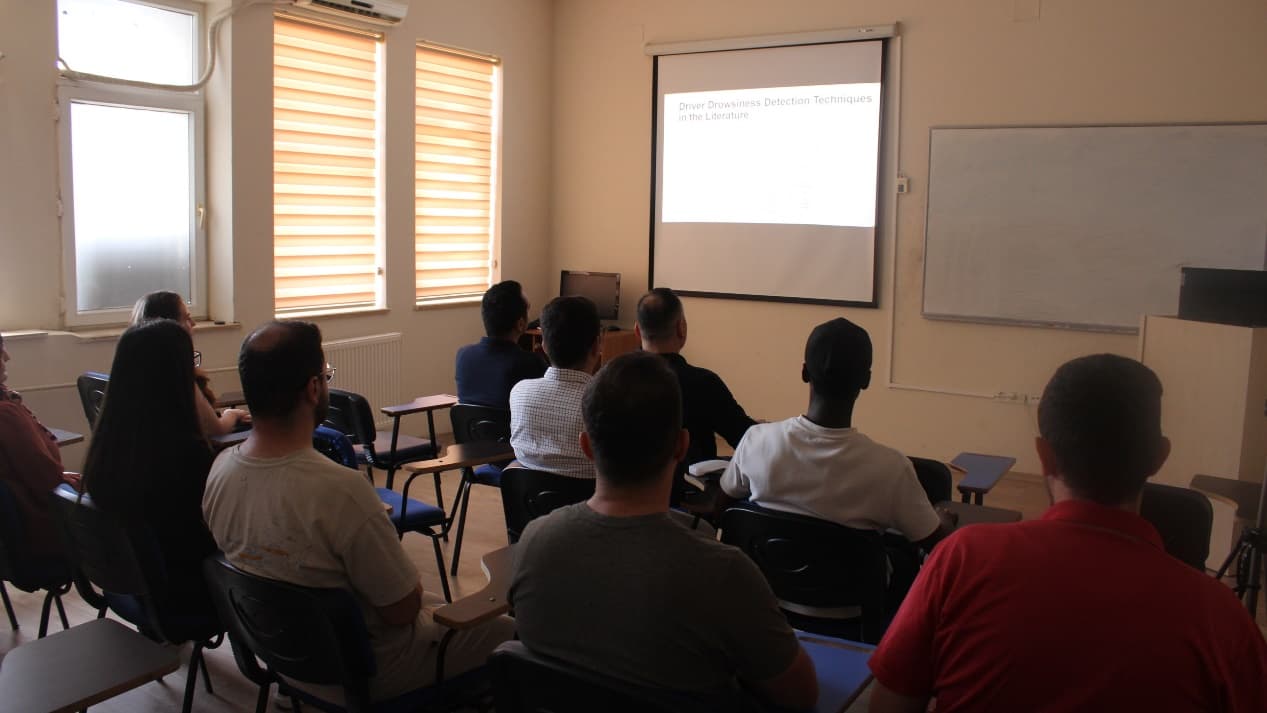
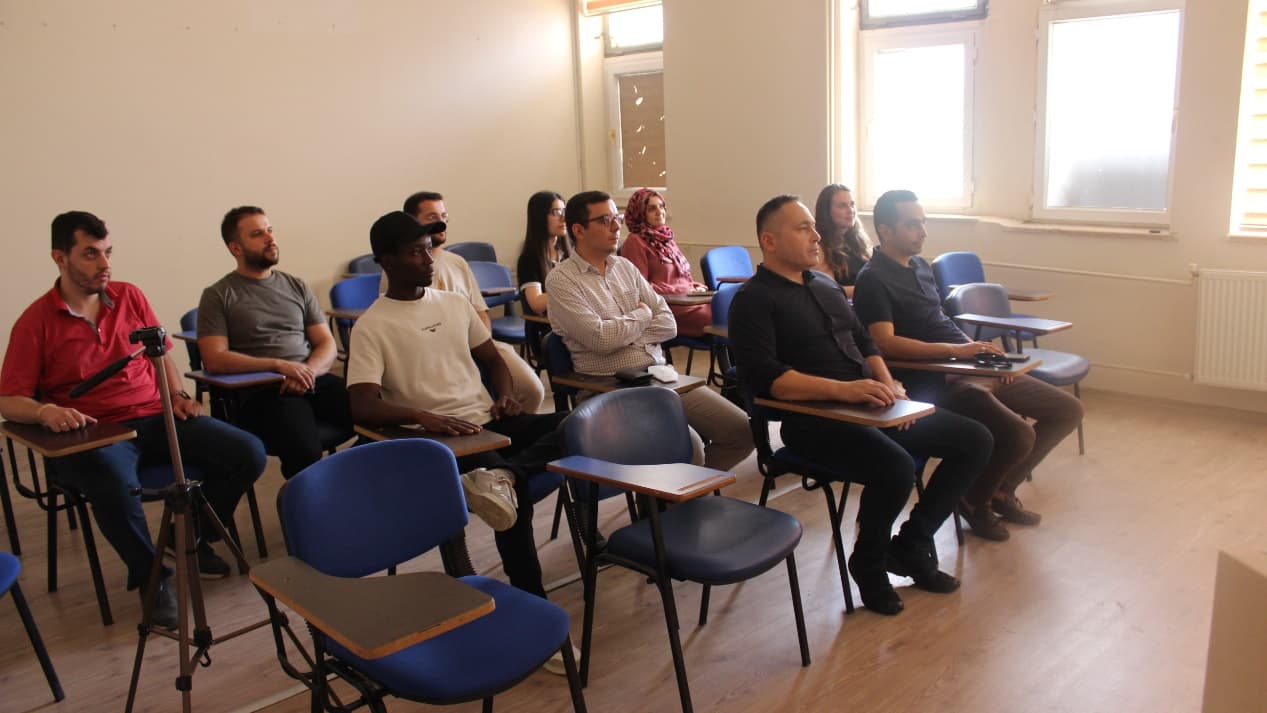
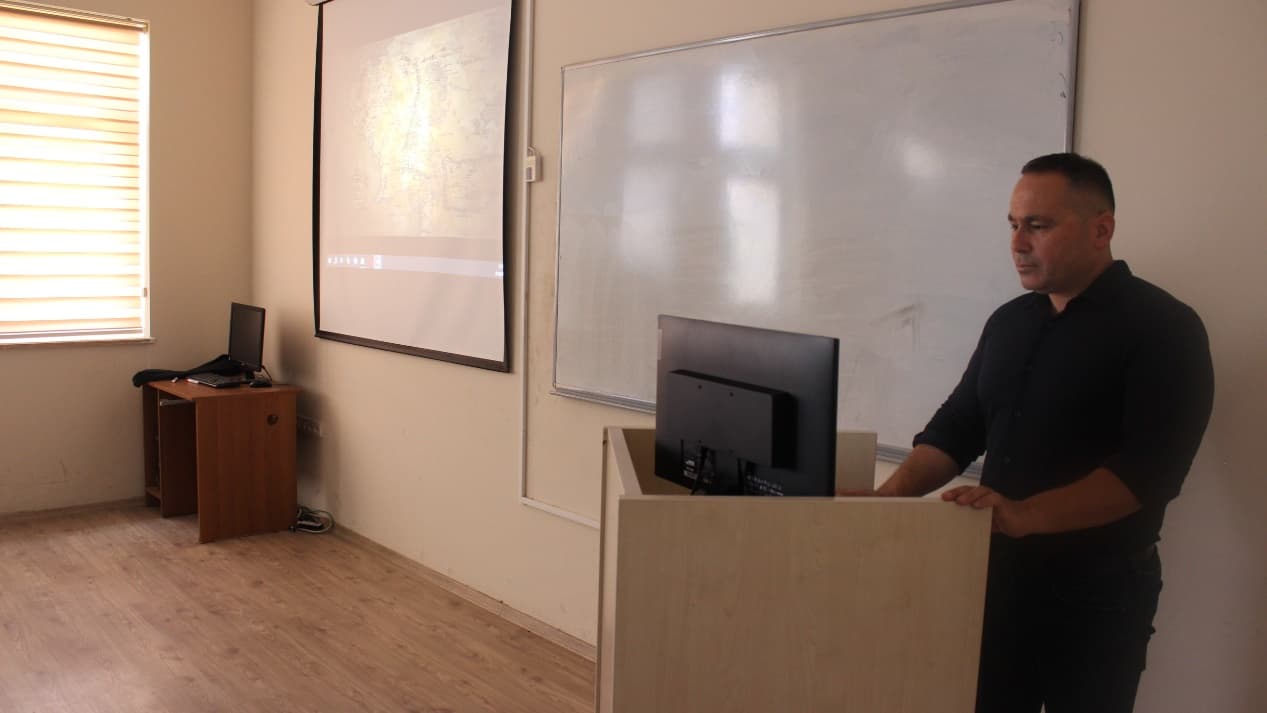
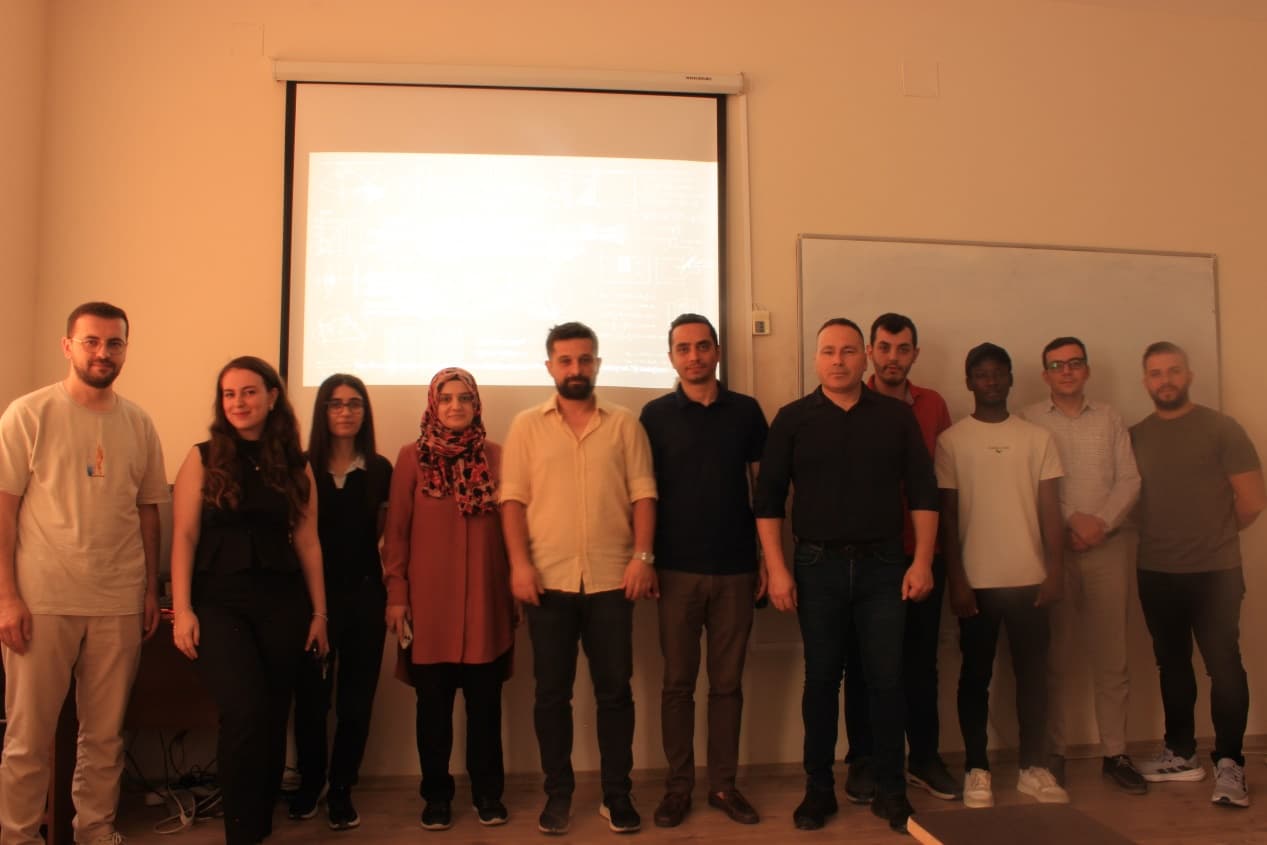
As part of CONF-MPCS 2025, a dedicated symposium titled “Advanced Techniques in Driver Monitoring and Traffic Safety Systems” was held at Çukurova University. The session brought together participants from diverse academic and professional backgrounds to explore the critical challenge of driver drowsiness and fatigue detection, a growing concern in modern intelligent transportation systems.
The symposium opened with a conceptual overview by Dr. Mustafa Istanbullu, highlighting the importance of early-stage detection of drowsiness to prevent severe road accidents. Dr. Sinan Keiyinci delivered an invited talk focusing on vehicle-based safety technologies, covering ADAS systems, sensor-based monitoring, and real-world applications. Following this, Mustafa Borazan presented physiological and behavioral signal-based drowsiness detection techniques, with particular emphasis on EEG, ECG, EOG, EMG, SpO₂, and electrodermal activity.
The session also featured a hands-on demonstration of a prototype detection system developed using embedded hardware. Participants observed real-time data acquisition using Arduino and Raspberry Pi, along with Python-based processing of biometric signals. Live demonstrations included heart rate tracking, eye movement analysis, and basic drowsiness event detection.
The symposium concluded with an engaging Q&A session, where students and researchers interacted directly with the speakers, discussing implementation challenges and future directions such as AI-based multimodal fusion, edge computing, and personalized driver monitoring.
With active participation and interactive demonstrations, the symposium successfully blended theoretical insight with practical application, contributing meaningfully to the ongoing dialogue around road safety technologies and biomedical signal processing.
ITM Department, Illinois Institute of Technology, USA
Symposium Chair: Dr. Marwan Omar, Associate Professor in Illinois Institute of Technology
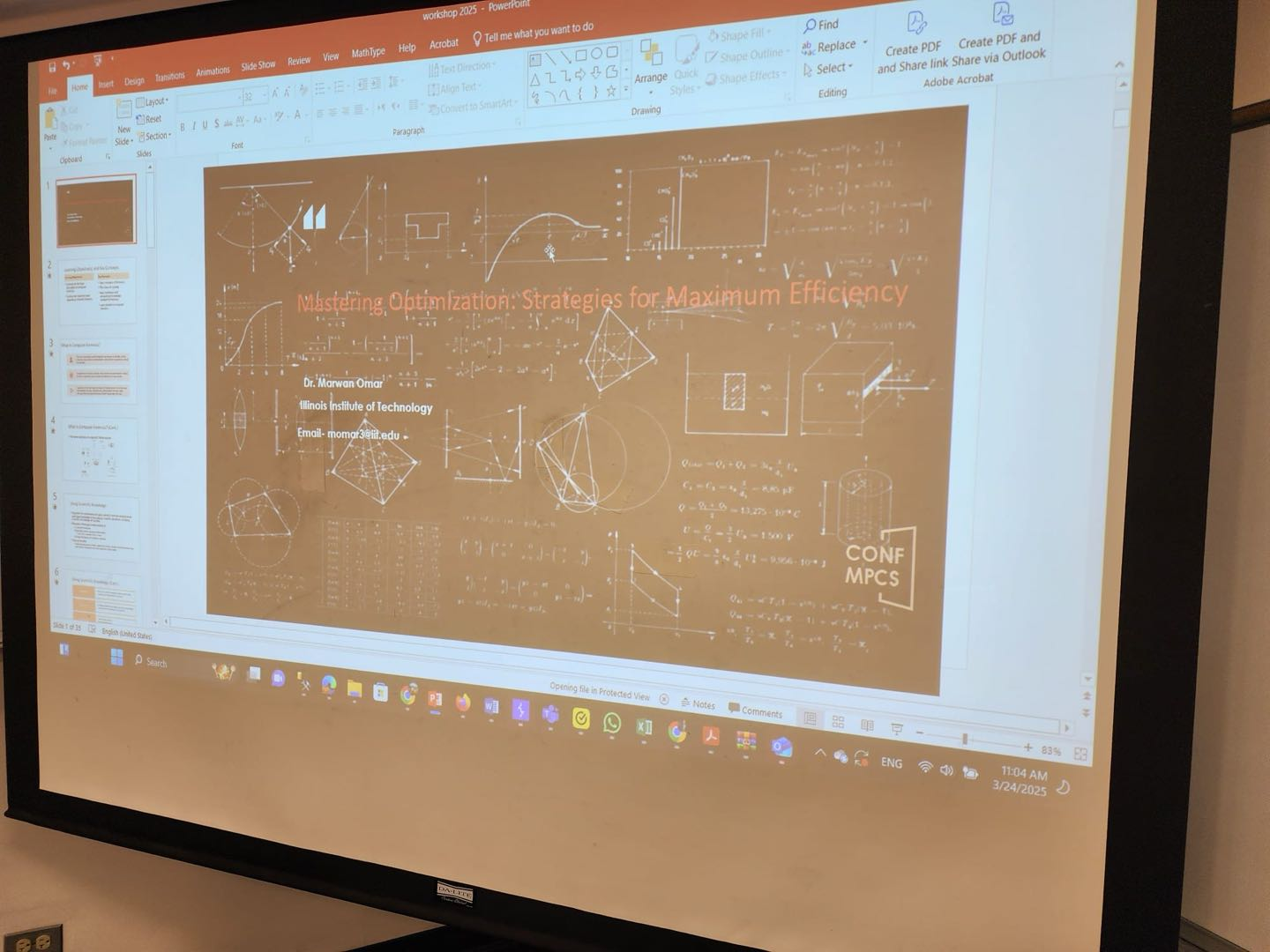
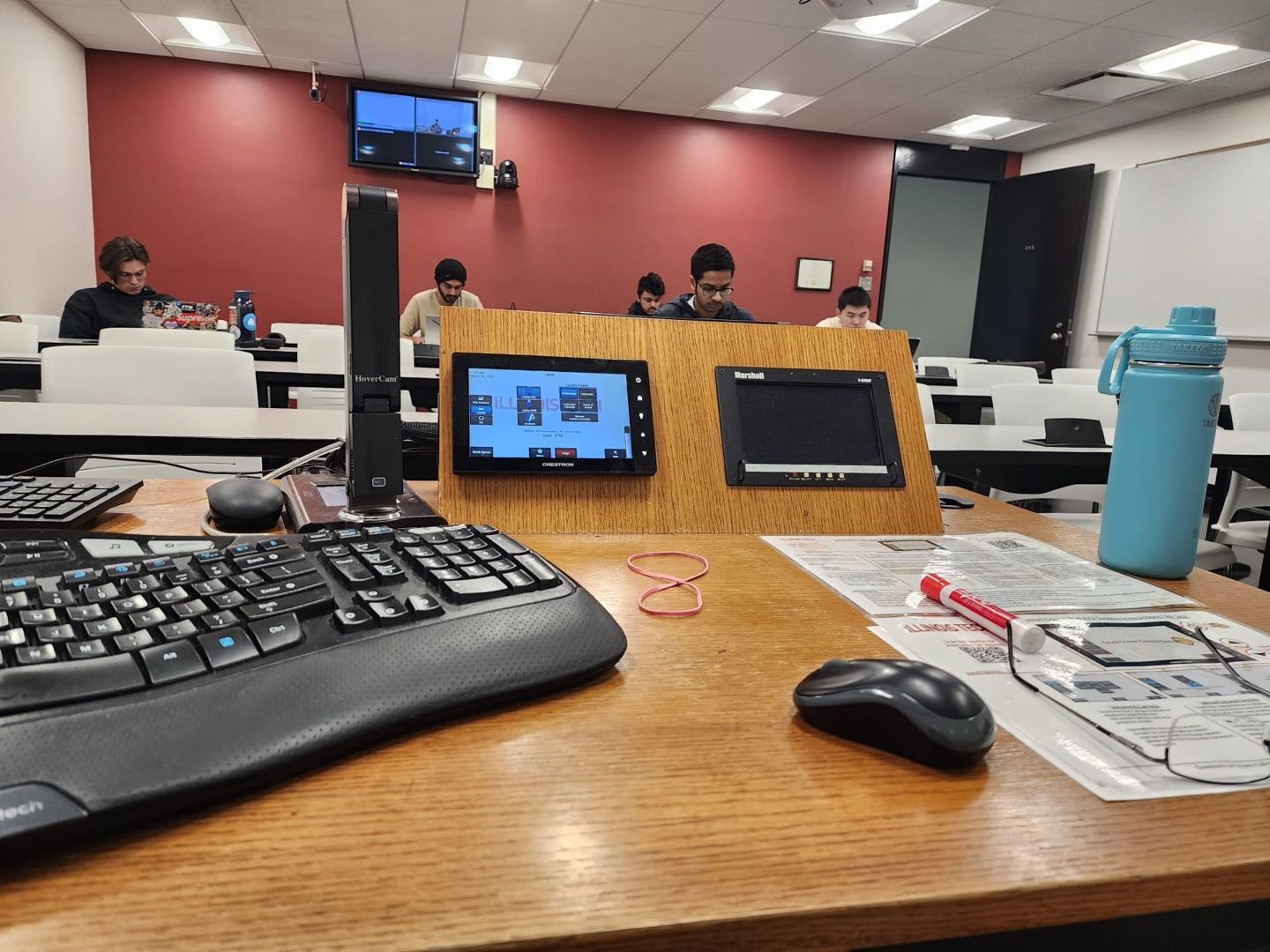
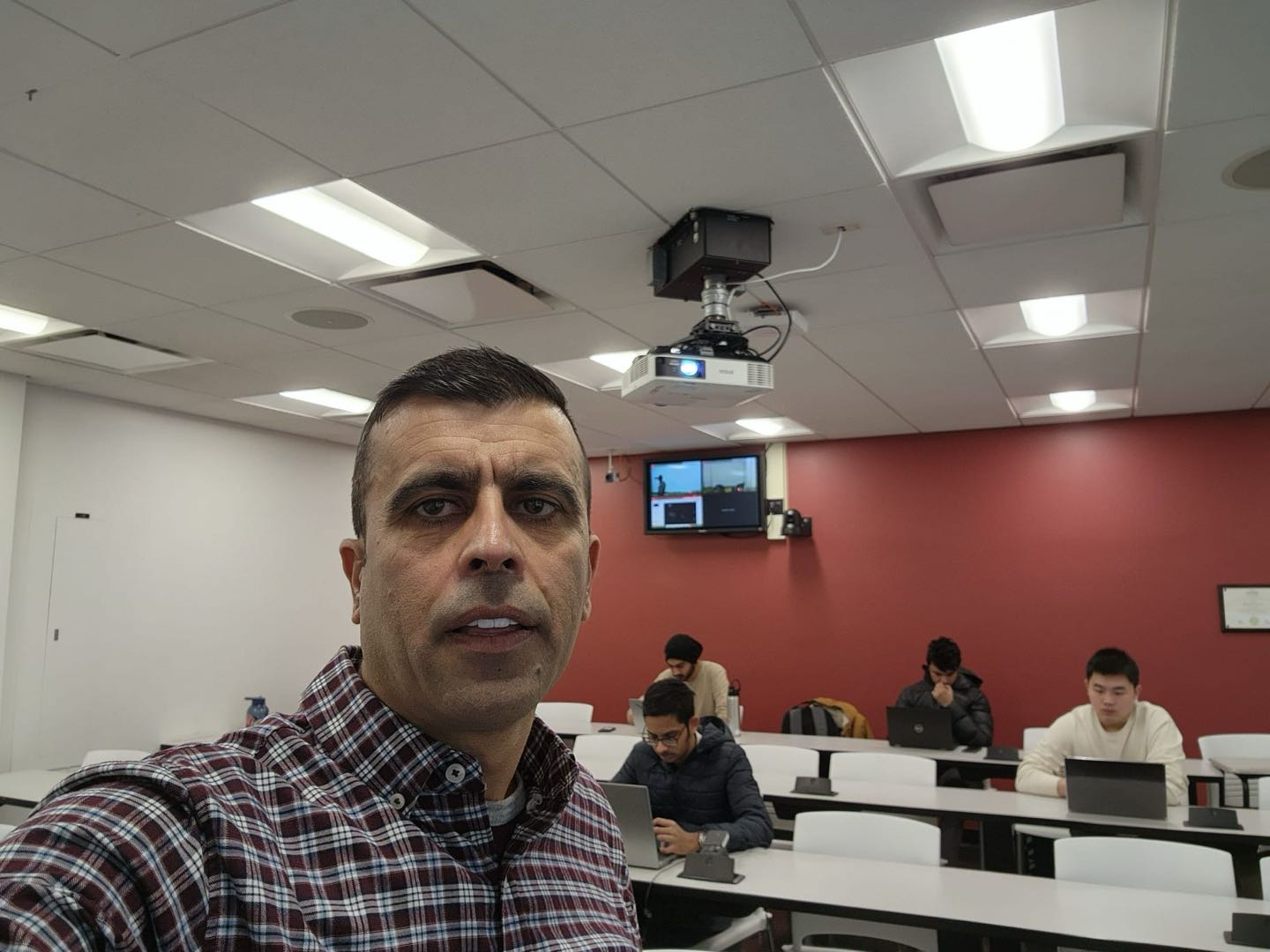
This symposium on Optimization Techniques offers a structured and engaging approach to understanding and applying optimization methods across various domains. It bridges the gap between theory and practice, empowering participants to tackle complex problems with innovative solutions. The program covers essential topics, including linear and nonlinear optimization, heuristic approaches like genetic algorithms and simulated annealing, and modern techniques such as machine learning-based optimizations.
Participants will gain hands-on experience with cutting-edge tools and frameworks to implement these techniques effectively. Through interactive sessions, case studies, and collaborative problem-solving activities, attendees will learn to formulate optimization problems, choose appropriate algorithms, and analyze results.
The symposium is designed for professionals, researchers, and students seeking to enhance their decision-making and resource management skills. By the end, participants will be equipped with the knowledge and confidence to apply optimization strategies in real-world scenarios, driving innovation and improving efficiency in their respective fields.

Department of Computer and Information Sciences, University of Strathclyde
Symposium Chair: Dr. Anil Fernando, Professor in University of Strathclyde
Energy systems worldwide face the dual challenge of meeting growing electricity demand while transitioning to sustainable solutions. Peak demand management has become particularly critical as nations integrate more renewable energy and adopt electric vehicles (EVs). Many countries still rely on fossil fuels like natural gas to meet peak demand, which creates a conflict with decarbonization goals. This symposium explored an innovative solution: leveraging existing EV fleets as distributed energy storage systems to help balance the grid without requiring massive new infrastructure investments.
Participants learned how smart charging and vehicle-to-grid (V2G) technologies can turn EVs into flexible grid assets. By charging during periods of excess renewable generation and discharging during peak demand, EV batteries can provide crucial grid services. The symposium highlighted real-world examples where this approach has successfully reduced strain on power systems while supporting cleaner energy integration.
A key focus was on how electricity pricing systems can motivate EV owners to participate in demand response programs. Time-of-use tariffs, dynamic pricing, and financial incentives can encourage charging during off-peak hours and feed power back to the grid when needed most. Participants examined case studies showing how proper pricing structures have led to high participation rates in V2G initiatives.
The symposium also covered the policy and regulatory frameworks needed to enable widespread V2G adoption. Discussions addressed technical considerations like battery degradation, as well as strategies to ensure consumer acceptance. Participants left with practical knowledge about implementing this solution in their own contexts, understanding how EV fleets can become a powerful tool for sustainable peak demand management. By the end of the session, attendees recognized that existing EV fleets represent an underutilized resource for national power management. With the right pricing incentives and policies, countries can harness this resource to reduce reliance on fossil fuels for peak demand, lower electricity costs, and accelerate clean energy transitions - all without significant additional investments in grid infrastructure.
Online Session
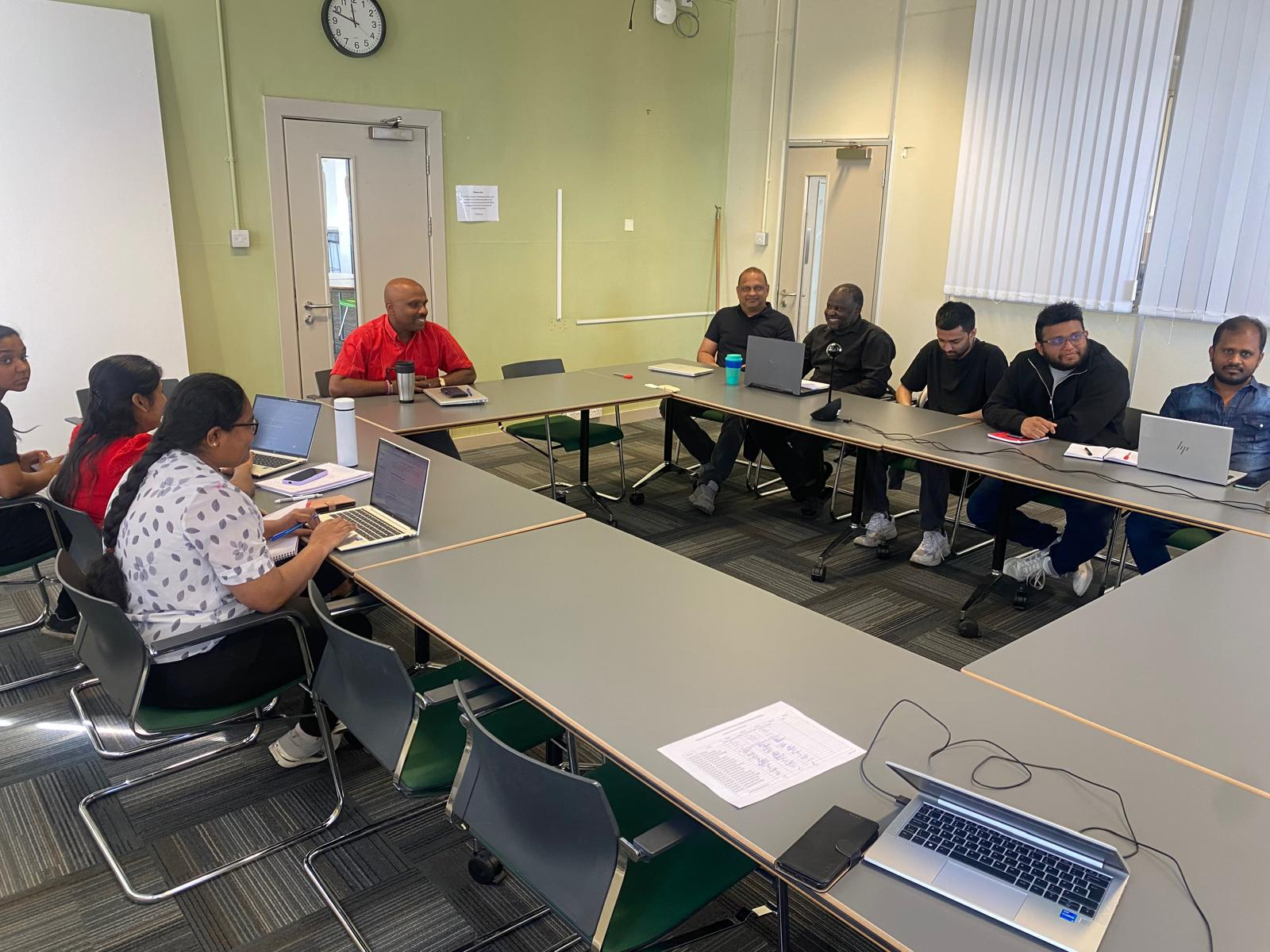
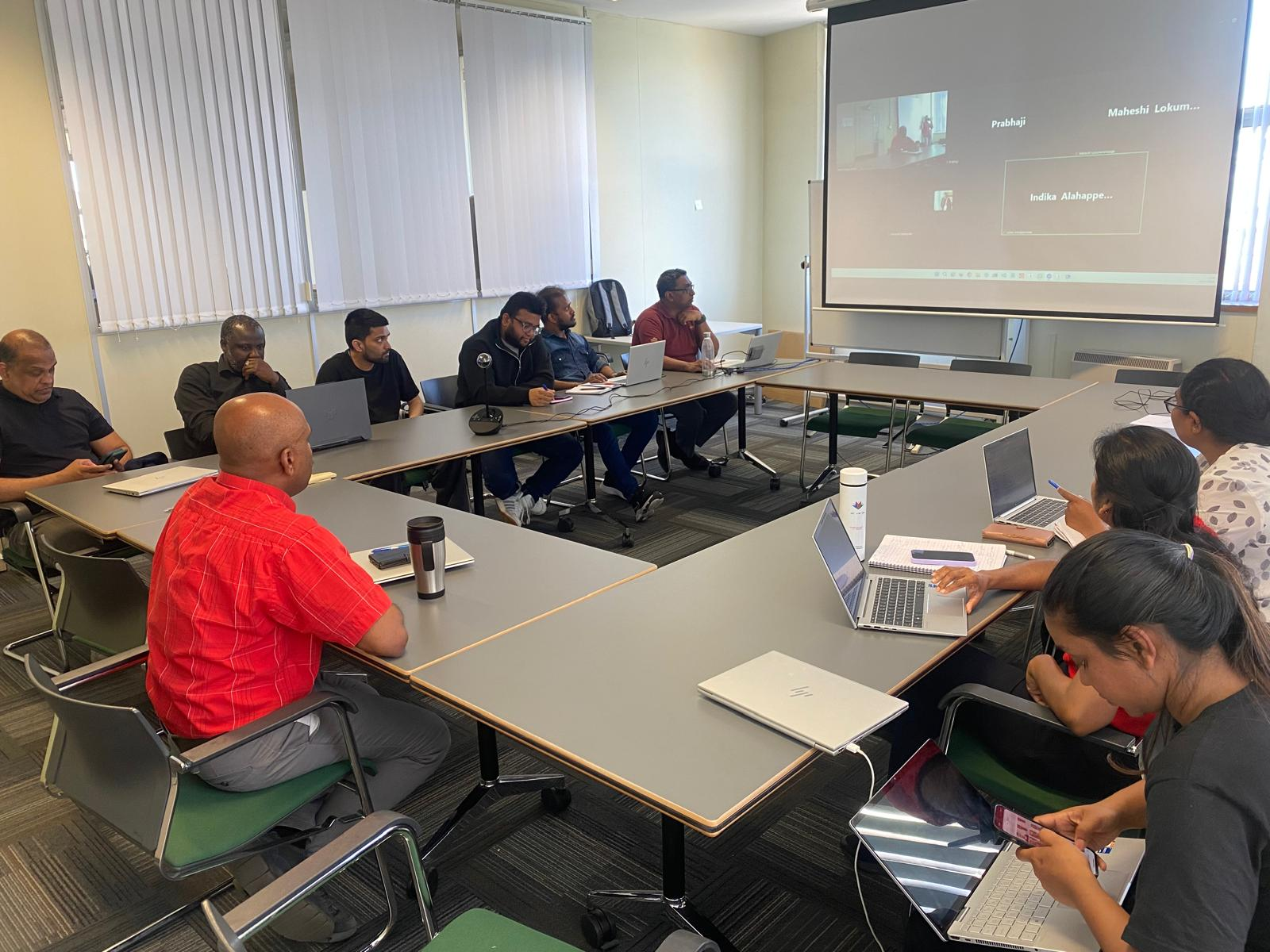
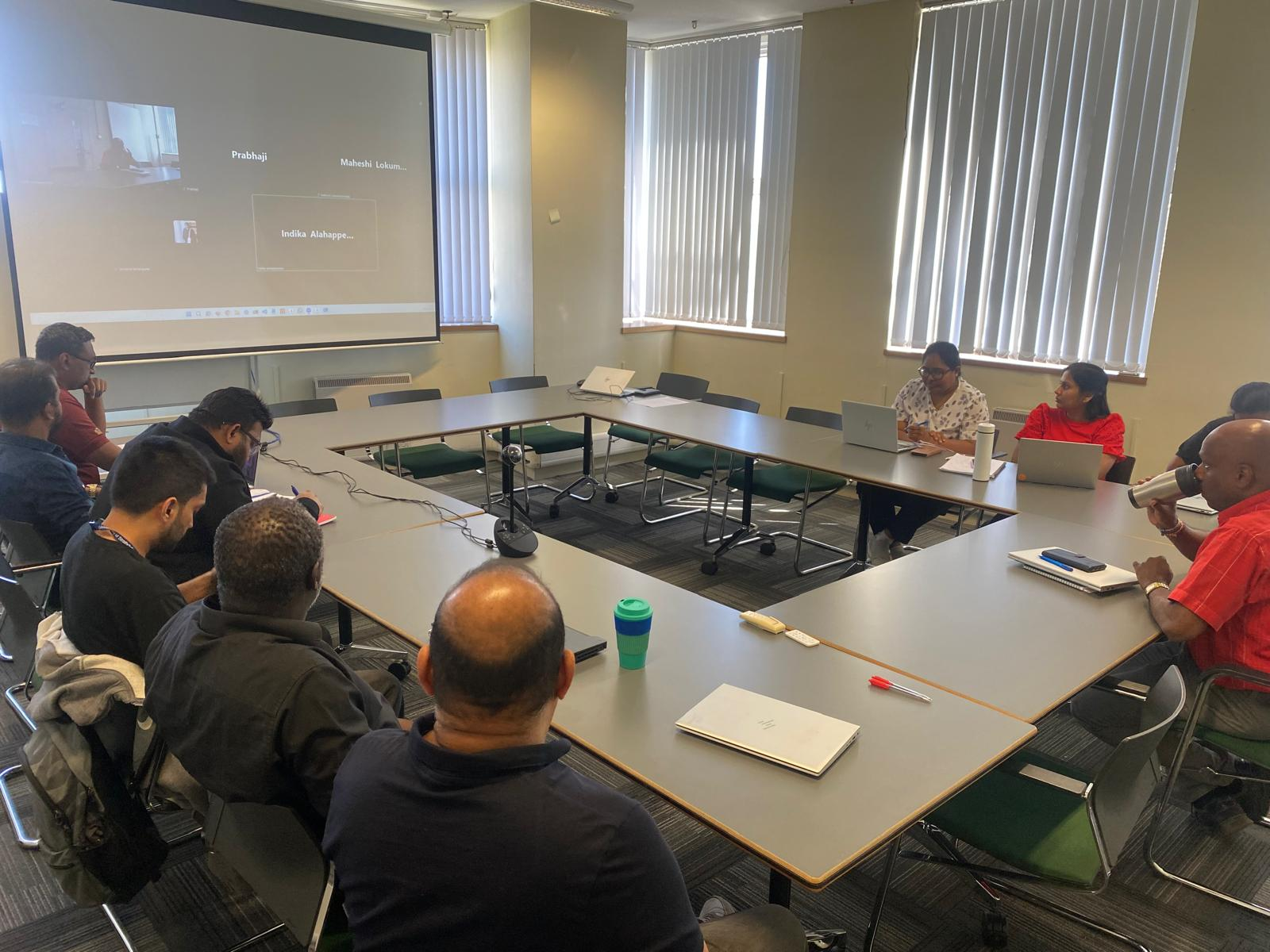
The online session of the 3rd International Conference on Mathematical Physics and Computational Simulation (CONF-MPCS 2025) was held on June 27, 2025. Dr. Mustafa Istanbullu from Çukurova University, Dr. Anil Fernando from University of Strathclyde, Dr. Maher Salem from King’s College London, and Dr. Marwan Omar from Illinois Institute of Technology have given keynote speech on related topics of mathematics and applied mathematics, applied physics, etc. Also, we invited authors of qualified papers to deliver oral presentations at the Online Session. Authors have presented their studies of applied physics, mechanical design, deep learning, etc. Questions from the audience were collected and answered by the presenters.
Highlights
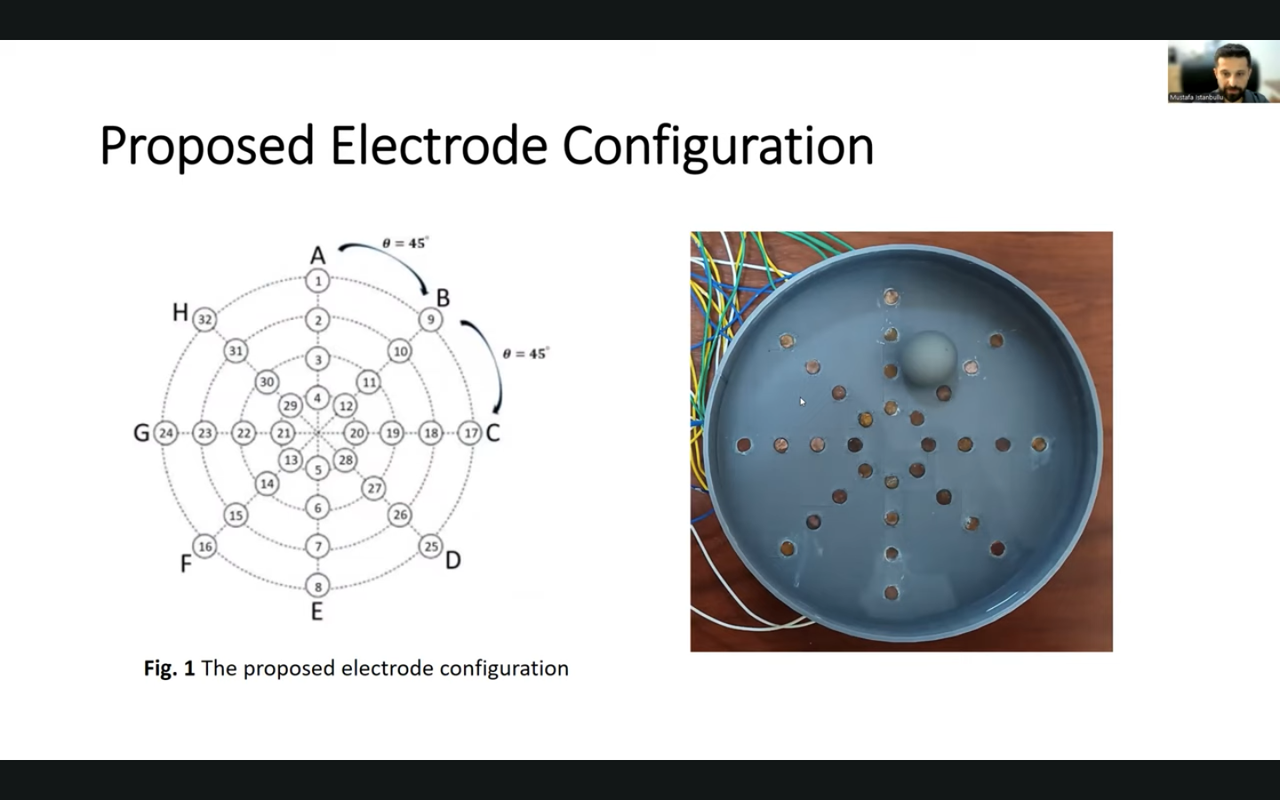
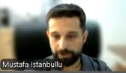
Title of Speech: Multi-Angle Planar Surface Electrode System for Electrical Impedance Tomography
Presented by: Dr. Mustafa Istanbullu, Assistant Professor, Çukurova University
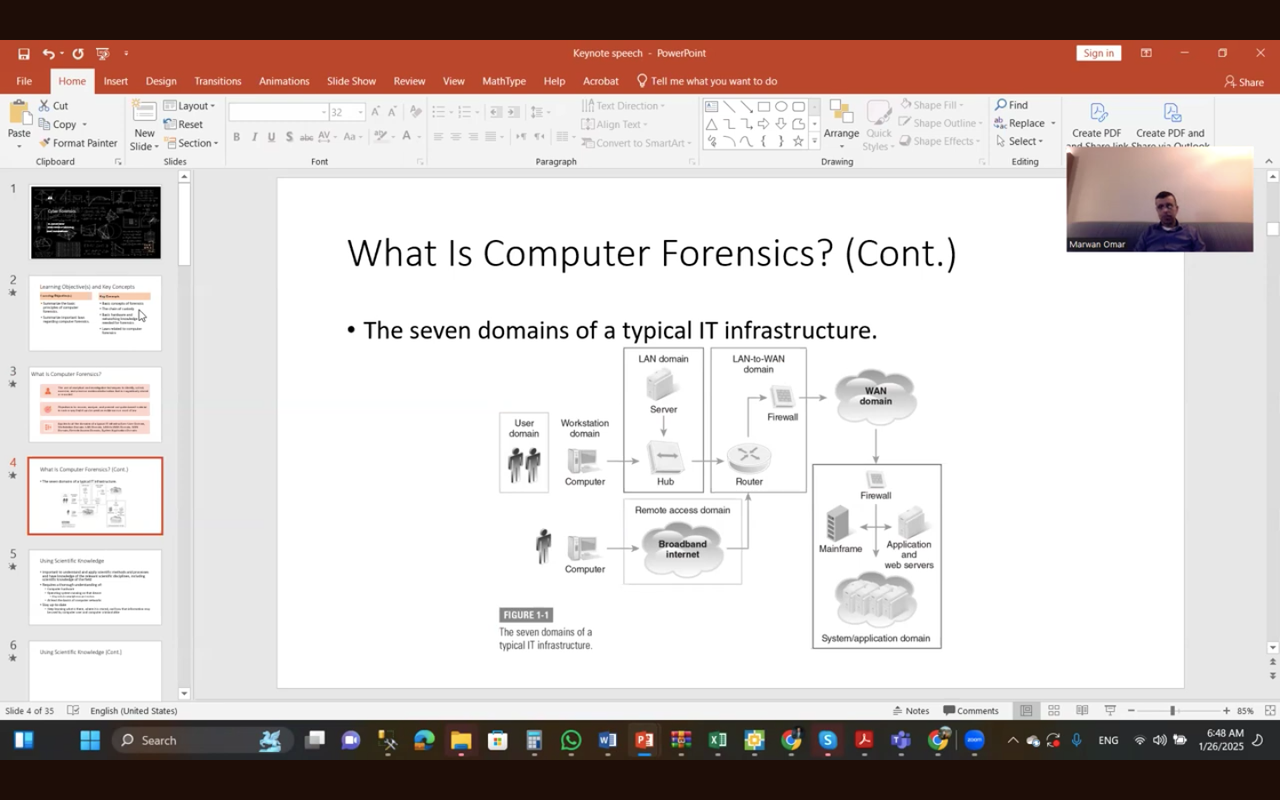
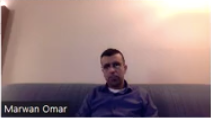
Title of Speech: Cyber Forensics
Presented by: Dr. Marwan Omar, Associate Professor, Illinois Institute of Technology

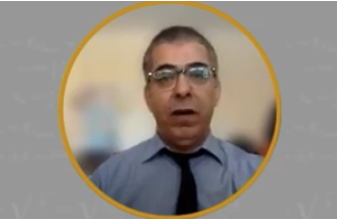
Title of Speech: Generative AI in Cybersecurity: Friend or Foe?
Presented by: Dr. Maher Salem, Associate Professor, King’s College London
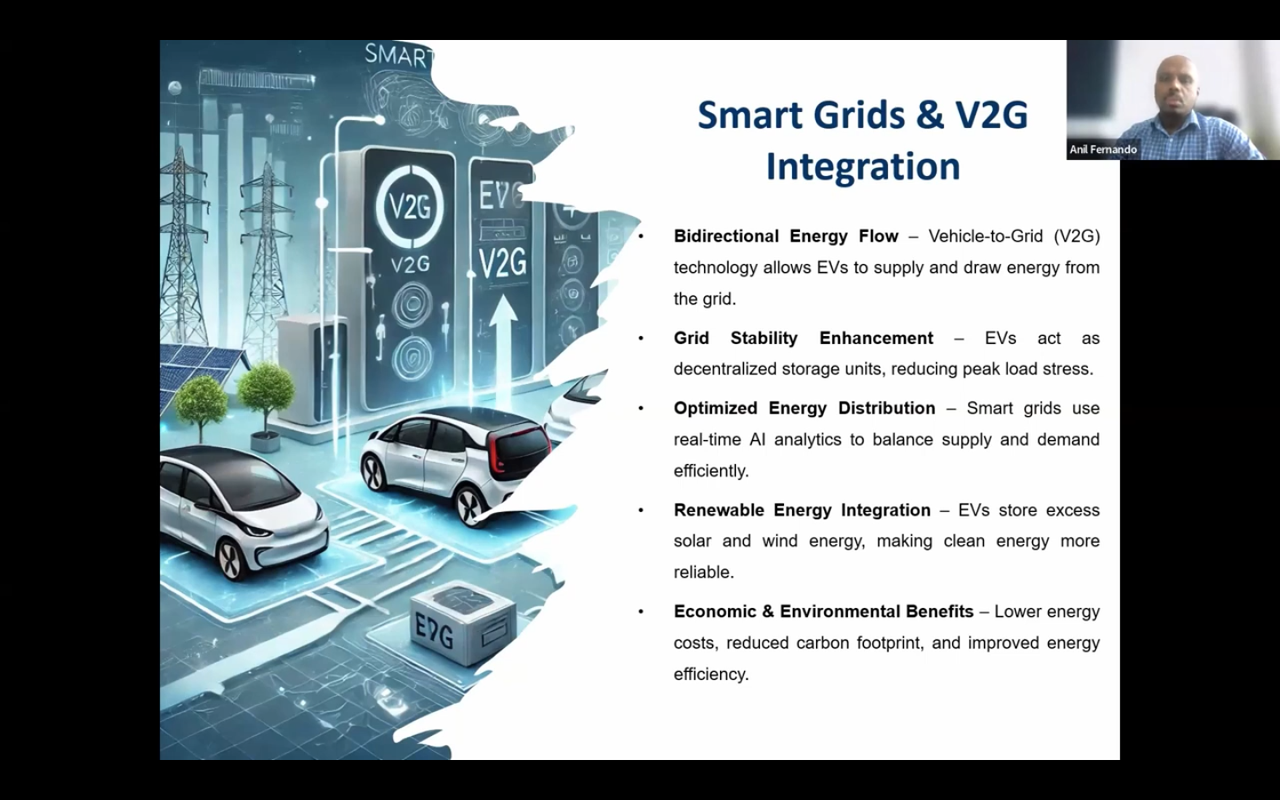

Title of Speech: Leveraging Electric Vehicles and Machine Learning for Sustainable Peak Energy
Demand Management in the UK
Presented by:Dr. Anil Fernando, Professor, University of Strathclyde
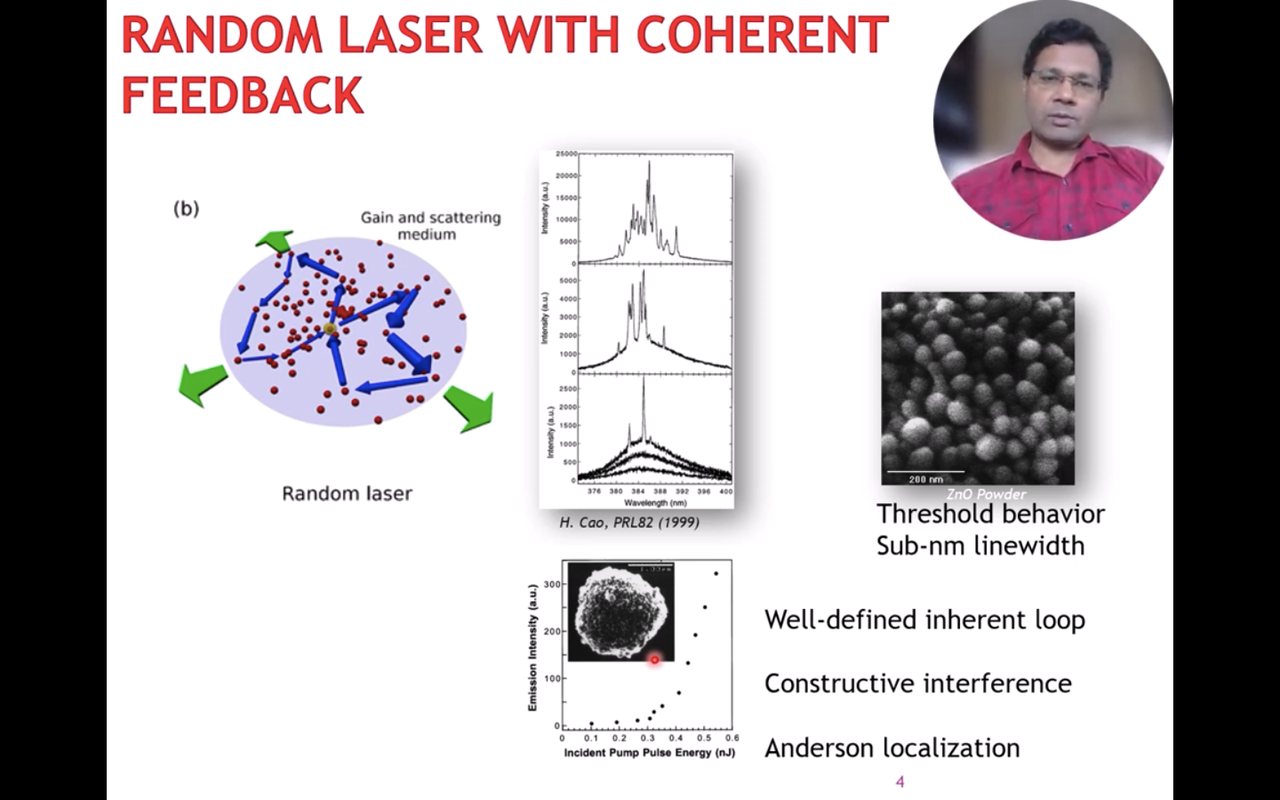

Title of Speech: Solid State Polymer Based Tunable Random Lasers
Presented by: Dr. Bhupesh Kumar, University of St. Andrews
Videos
You can find the Youtube Playlist here.
Publications
Conference Proceedings
Accepted papers of CONF-MPCS 2025 were published in Theoretical and Natural Science (TNS) (Print ISSN 2753-8818), and were submitted to EI Compendex, Conference Proceedings Citation Index (CPCI), Crossref, CNKI, Portico, Engineering Village (Inspec), Google Scholar,, and other databases for indexing. The situation may be affected by factors among databases like processing time, workflow, policy, etc.
Title: Theoretical and Natural Science (TNS)
Press: EEWA Publishing, United Kingdom
ISSN: 2753-8818, 2753-8826 (electronic)